South Carolina Policy Research for Child Abuse Prevention
Policy Research
Policy research is essential to child abuse prevention because it helps identify which laws, programs and systems best protect children and support families.
Policy research shows where gaps exist by analyzing data and outcomes and highlights opportunities to strengthen safety nets.
This evidence helps decision-makers and advocates create informed policies that prevent harm, provide resources and build healthier communities for every child.

Research
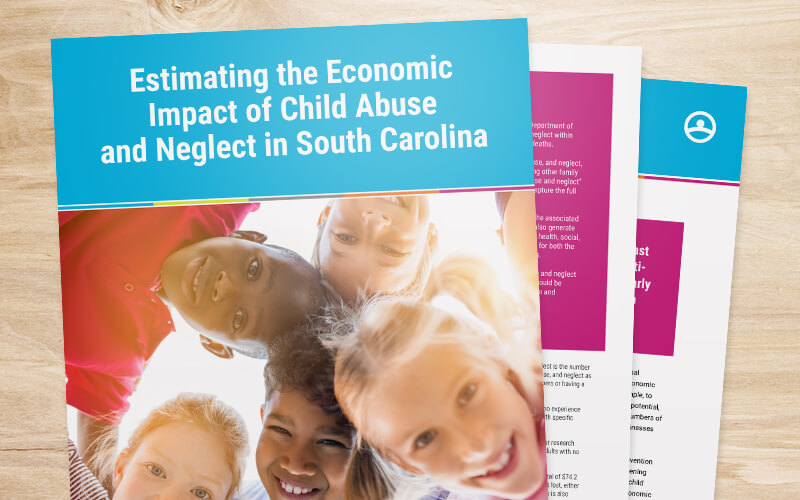
Economic Impact of Child Abuse and Neglect in South Carolina
This study by the Darla Moore School of Business at the University of South Carolina outlines the economic impact of child abuse and neglect in the state.

Legislator Perspectives on Preventing Adverse Childhood Experiences in South Carolina
This qualitative study provides insight on a unique study conducted with state legislators in South Carolina on ways in which adverse childhood experiences (ACEs) can be prevented through public policy efforts.
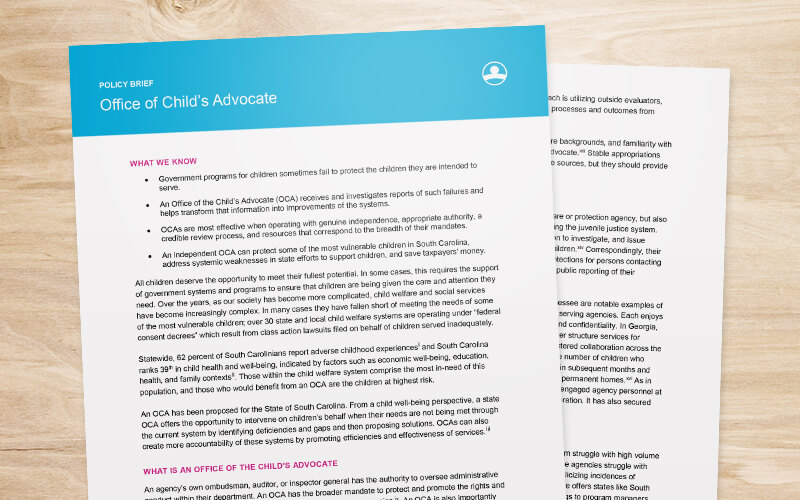
Policy Brief for the Office of Child's Advocate
Children’s Trust examines the role an OCA could play to protect children across South Carolina, and highlights the attributes of the most effective OCAs in other states.
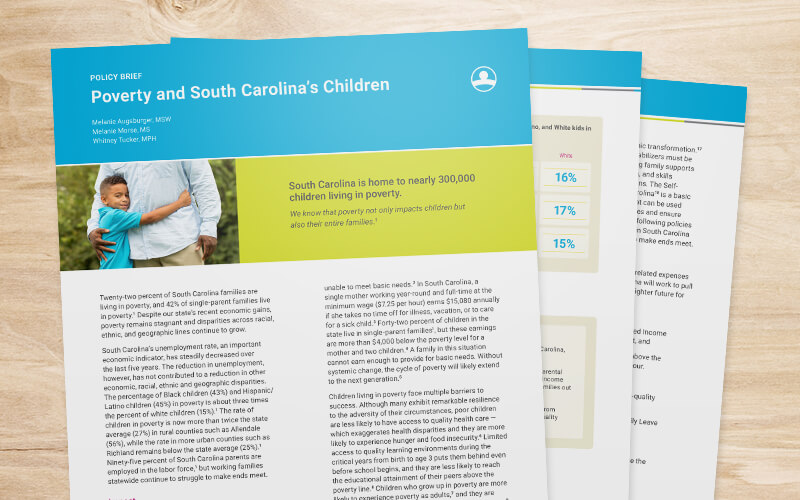
Poverty and South Carolina's Children
Examining the impact of poverty on children and families in South Carolina, this brief offers recommendations to improve economic stability, access to quality child care, and overall health and well-being.
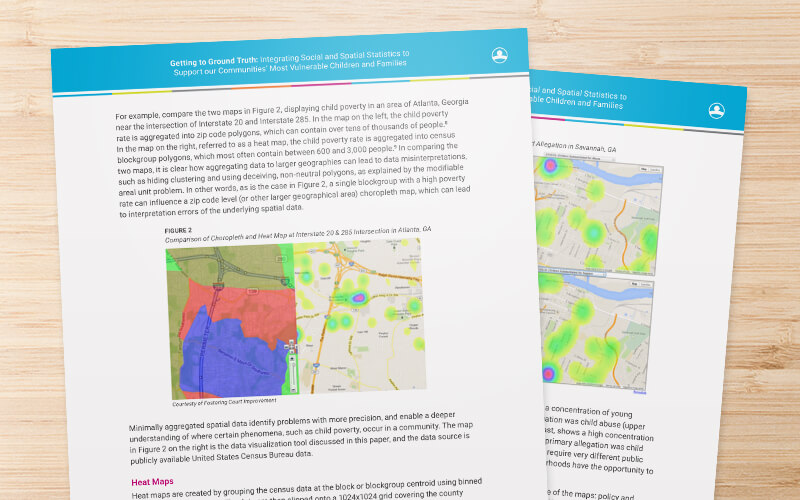
Heat Maps with Data
This research brief shows how heat maps can be used to support data-driven conversations and decision making.